


Many people today are curious about what is smart living technology and how it is shaping modern lifestyles. Simply put, smart living technology is the use of connected devices, automation, and artificial intelligence to make homes more efficient, secure, and convenient. From voice-controlled assistants to energy-saving systems, it transforms ordinary houses into intelligent spaces that adapt to the daily habits and needs of their users.
How Does Smart Living Technology Work?
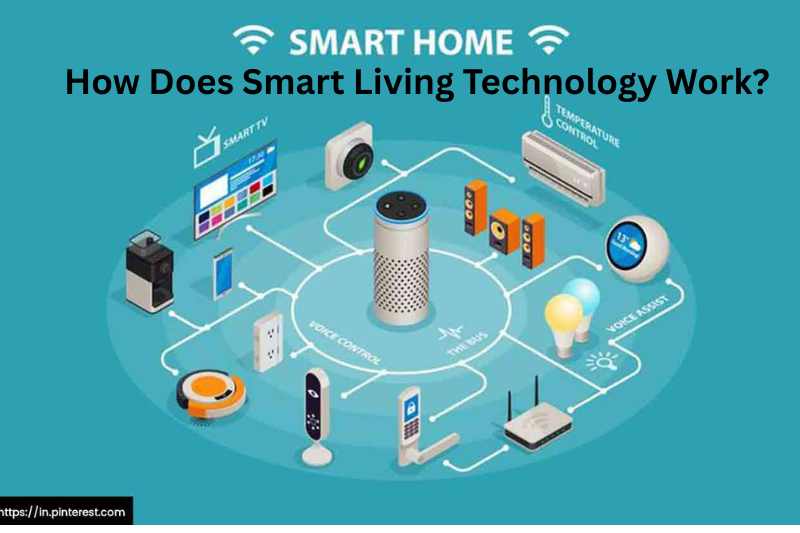
At the heart of smart living technology lies the Internet of Things (IoT)—a network of everyday devices that can communicate with each other via the internet. These devices can be controlled through apps on your smartphone, voice commands, or automated schedules.
For example:
- A smart thermostat learns your schedule and adjusts heating or cooling automatically.
- A smart security system notifies you in real time if someone approaches your home.
- A smart fridge keeps track of groceries and suggests recipes.
- Voice assistants like Alexa, Google Assistant, or Siri act as your personal home managers.
The magic happens when all these devices are connected and work together seamlessly—creating a home that responds to your lifestyle.
Features of Smart Living Technology
- Home Automation – Automate lights, blinds, appliances, and more.
- Remote Control – Manage your home from anywhere in the world using your phone.
- Voice Assistance – Control devices with simple voice commands.
- Personalization – Devices adapt to your daily habits and preferences.
- Integration – Multiple devices can connect and work in harmony.
Benefits of Smart Living Technology
Let’s take a closer look at why smart living has become such a popular choice:
1. Convenience and Comfort
No more juggling multiple remotes or walking around to switch off devices. You can control everything with one app or your voice.
2. Energy Efficiency and Cost Savings
Smart thermostats, lights, and appliances optimize energy usage. Over time, this lowers electricity bills and helps reduce your carbon footprint.
3. Enhanced Security and Safety
From smart locks to doorbell cameras, you’re always in control of your home’s safety. You can monitor your house remotely, get instant alerts, and even lock doors automatically.
4. Time-Saving
Routine tasks like brewing coffee, adjusting the thermostat, or vacuuming can be automated, giving you more time for what truly matters.
5. Lifestyle Upgrade
Smart living technology adds luxury and modernity to your home. Imagine waking up to natural light from automated blinds or arriving home to a pre-heated oven.
Drawbacks of Smart Living Technology
While the benefits are impressive, it’s also important to look at the challenges:
1. High Initial Cost
Smart devices and installations can be expensive. Outfitting an entire home with smart technology may not be budget-friendly for everyone.
2. Privacy and Security Risks
Since smart devices are connected to the internet, they can be vulnerable to hacking or data breaches. Your personal data could be at risk if not properly secured.
3. Dependency on Internet
Most smart living technologies rely on Wi-Fi. A poor or unstable internet connection can limit functionality.
4. Complexity for Some Users
Not everyone is tech-savvy. Older adults or less tech-friendly individuals may find it confusing to operate multiple devices.
5. Compatibility Issues
Not all smart devices work seamlessly together. Mixing brands can sometimes lead to integration challenges.
You may also like to read these posts:
What Defines a Consumer Trend?
Types of Emerging Fashion Trends (Categorization): A Deep Dive
How to Spot New Lifestyle Trends Early (How-To) – A Complete Guide
Why Cultural Shifts Influence Trends (In-Depth Guide)
Real-Life Examples of Smart Living Technology
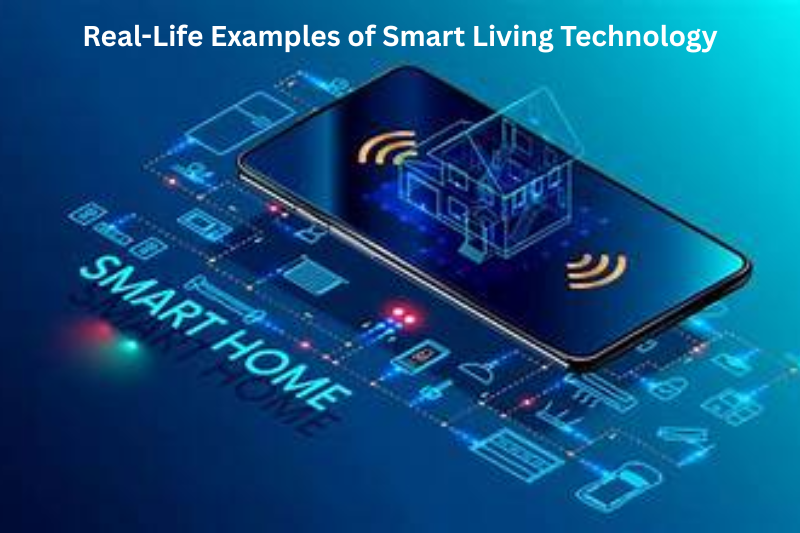
- Smart Lighting: Philips Hue bulbs that change color and brightness via voice commands.
- Smart Locks: August Smart Lock that lets you unlock doors remotely.
- Smart Speakers: Amazon Echo or Google Nest for hands-free control.
- Smart Appliances: Refrigerators that track groceries, or washing machines that notify you when a cycle is done.
- Smart Security: Ring doorbells or Arlo cameras for 24/7 monitoring.
The Future of Smart Living Technology
The future looks even more exciting. Smart living will go beyond convenience into predictive intelligence—where your home anticipates your needs. Imagine a home that adjusts lighting to your mood, orders groceries automatically, or even monitors your health in real time.
We’re moving towards AI-powered smart cities, where entire communities will be connected with energy-efficient homes, smart transportation, and sustainable solutions.
Final Thoughts
So, what is smart living technology? It’s the next step in modern living—an intelligent blend of devices, automation, and AI that makes life more comfortable, efficient, and secure.
While there are drawbacks like cost, privacy concerns, and dependency on the internet, the advantages far outweigh the challenges. The best part is, you don’t need to adopt everything at once. You can start small—with smart lights or a voice assistant—and gradually build your way toward a truly smart lifestyle.
In short: Smart living technology isn’t just about gadgets—it’s about creating a home that understands you.
FAQs
1. What is Smart Living Technology in simple words?
Smart living technology is the use of smart devices, automation, and artificial intelligence to make homes more convenient, secure, and energy-efficient. It’s about having a “smart home” that adapts to your needs.
2. What are some examples of Smart Living Technology?
Examples include smart lights (Philips Hue), smart speakers (Amazon Echo, Google Nest), smart thermostats (Nest, Ecobee), smart security systems (Ring doorbell, Arlo cameras), and smart appliances like refrigerators or washing machines.
3. Is Smart Living Technology expensive?
Yes, the initial cost can be high. However, you don’t need to invest in everything at once. Many people start with affordable devices like smart plugs or smart bulbs and expand over time. Plus, energy savings can reduce long-term costs.
4. What are the benefits of Smart Living Technology?
The main benefits are convenience, energy efficiency, improved security, time savings, and a modern lifestyle upgrade. It also allows remote access and personalization of your living space.
5. What are the drawbacks of Smart Living Technology?
Some drawbacks include high upfront costs, reliance on internet connectivity, possible privacy/security risks, complexity for non-tech users, and compatibility issues between different brands.


