
An In-Depth Look at How and Why People’s Buying Habits Change
Understanding what defines a consumer trend is essential in today’s fast-changing market. Consumer trends shape the way people shop, what they value, and how businesses respond to evolving demands. Whether you’re a marketer, business owner, or simply curious about why certain products become popular, knowing what defines a consumer trend helps you grasp the bigger picture behind shifting consumer behaviors. In this article, we’ll explore the core elements that define these trends, why they matter, and how they impact both consumers and brands alike.
What Is a Consumer Trend? (Simple Definition)
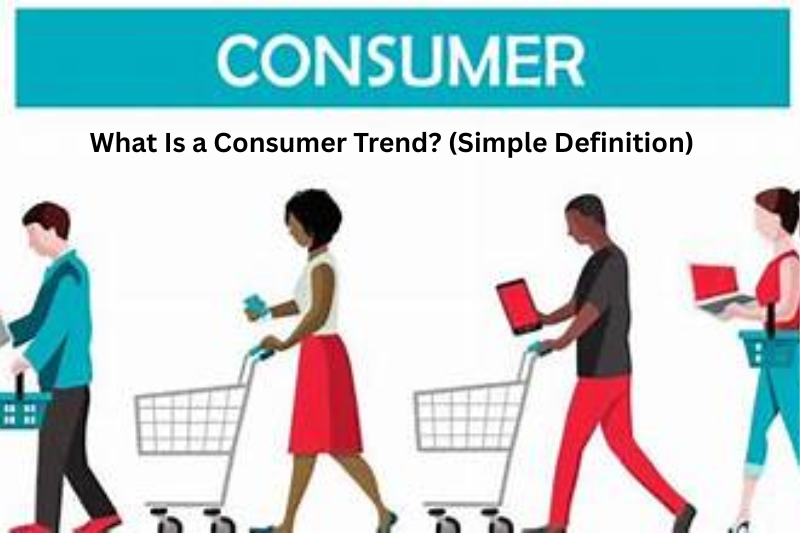
A consumer trend refers to a consistent and growing pattern in consumer behavior, preferences, or expectations that influences purchasing decisions over time.
In other words, it’s what people want — and how what they want changes based on things like new technologies, economic shifts, cultural influences, or personal values. These trends can impact entire industries, shape product development, and shift how brands connect with their audience.
What Defines a Consumer Trend? (Detailed Breakdown)
Let’s answer the core question: What defines a consumer trend? In other words, how do you know when a certain behavior or buying pattern is more than just a passing phase?
Here are the key features that define a consumer trend:
1. Behavioral Change at Scale
It starts with a noticeable shift in how people behave, especially when it comes to buying, using, or interacting with products and services. But it’s not enough for a few people to change — this shift needs to happen on a larger scale.
Example: When millions of people switched from sugary sodas to flavored sparkling water like LaCroix or Spindrift — that’s a trend.
2. Rooted in Deeper Motivations
True trends aren’t just about the what, they’re about the why. Trends reflect deeper human needs or values — like health, identity, status, security, or convenience.
A good way to spot a trend is to ask, “What problem is this solving for people?”
3. Sustained Over Time
A trend is not the same as a fad. Fads are short-lived and often driven by novelty (like fidget spinners). Consumer trends, however, develop gradually and stick around for months or even years, often evolving into the new normal.
A trend has staying power. It might start small but gains momentum steadily.
4. Widespread Influence
Consumer trends affect not just individual shoppers, but entire industries. They drive innovation, change how businesses operate, and reshape marketing strategies.
Companies that identify a trend early can create products or services that ride that wave to success.
5. Supported by Data and Insights
Real trends are backed by data. You’ll see them reflected in things like search trends, sales figures, social media mentions, and customer surveys. Businesses use this information to validate if something is truly trending.
Common Sources of Consumer Trends
Where do these trends even come from? Here are a few key sources:
- Technology advancements (e.g., rise of AI tools, smart home gadgets)
- Cultural shifts (e.g., gender fluidity, social justice awareness)
- Economic changes (e.g., inflation, gig economy)
- Health & environmental awareness
- Social media and influencers
- Global events (e.g., pandemic, climate crises)
Real-Life Examples of Consumer Trends
Let’s bring this to life with a few examples:
| Trend | Description | Why It Happened |
| Sustainable Shopping | Consumers prefer eco-friendly packaging and ethical brands. | Rising environmental awareness. |
| Home Fitness | Smart mirrors, Peloton, at-home yoga apps exploded. | Lockdowns & convenience. |
| Plant-Based Eating | Vegan meat alternatives went mainstream. | Health + sustainability reasons. |
| Digital Payments | Mobile wallets and contactless cards surged. | Tech growth + hygiene concerns. |
| Minimalism | People buying fewer, better-quality things. | Anti-consumerism + mental clarity. |
You may also like to read these posts;
Types of Emerging Fashion Trends (Categorization): A Deep Dive
How to Spot New Lifestyle Trends Early (How-To) – A Complete Guide
Why Cultural Shifts Influence Trends (In-Depth Guide)
Apps for Tracking Social Media Trends: Your Ultimate Guide to Staying Ahead
Benefits of Understanding Consumer Trends
Now that we’ve explored what defines a consumer trend, let’s talk about why it matters — especially for businesses, marketers, entrepreneurs, or anyone involved in decision-making.
1. Better Product Development
When you know what customers want, you can create products that meet their evolving needs.
2. Stronger Marketing Strategies
Trends help you craft messaging that actually resonates with your audience — making your campaigns more relevant and impactful.
3. Competitive Advantage
Spotting and acting on a trend early gives you a head start over competitors who are still stuck in old ways.
4. Customer Loyalty
Brands that understand and reflect their customers’ values are more likely to build trust and long-term loyalty.
5. Increased Sales & Growth
Meeting consumer demand leads to higher conversion rates and better business performance.
Drawbacks of Relying Too Much on Trends
Trends can be powerful — but they’re not without risks. Here are some potential downsides you should be aware of:
1. Chasing Every Trend Can Dilute Your Brand
Not every trend fits your brand. Trying to jump on every bandwagon can confuse your audience and weaken your identity.
2. Short-Term Thinking
Focusing too much on trends might cause you to lose sight of your long-term vision and values.
3. Over-Saturation
Once a trend goes mainstream, the market can get flooded with copycat products — making it harder to stand out.
4. Misreading a Fad as a Trend
It’s easy to confuse a short-lived hype (like NFTs or viral TikTok items) with a lasting shift. Acting too quickly without enough data can lead to wasted time and resources.
5. Customer Fatigue
If consumers feel like brands are always trying to be trendy rather than authentic, it can lead to skepticism or fatigue.
How to Spot and Leverage Consumer Trends
Here’s a quick roadmap if you want to stay ahead:
- Watch Competitors & Innovators – What Monitor Social Media & Influencers –
- Read Industry Reports & Market Research – Stay data-informed.
- Listen to Your Customers – Read reviews, conduct surveys, analyze feedback.
- Use Google Trends & Analytics Tools – Track search interest over time.
Conclusion: What Defines a Consumer Trend?
To wrap it all up — what defines a consumer trend is the combination of behavioral change, widespread adoption, and underlying motivations that drive people to shift their preferences over time. Trends aren’t just about popularity — they’re about meaning, purpose, and change.
Understanding consumer trends isn’t just smart — it’s essential if you want to connect with people, stay relevant, and grow in today’s fast-moving world.
FAQs
1. What exactly is a consumer trend?
A consumer trend is a sustained shift in what people want, how they shop, or what they value when buying products or services. It reflects changes in behavior and preferences that grow over time and influence markets.
2. How is a consumer trend different from a fad?
A fad is short-lived and often driven by novelty, lasting only a few weeks or months. A consumer trend, on the other hand, develops more slowly but lasts longer and impacts buying habits on a broader scale.
3. What causes consumer trends to start?
Consumer trends usually start because of changes in technology, culture, economics, social values, or global events. For example, rising environmental awareness has sparked many sustainability trends.
4. How can businesses identify consumer trends?
Businesses look at data such as sales figures, social media buzz, search engine trends, and customer feedback. They also watch industry reports and keep an eye on influencers and market innovators.
5. Why is it important to understand consumer trends?
Understanding consumer trends helps businesses create products that customers want, craft marketing messages that resonate, and stay ahead of the competition.