
Hey, friend!
If you’re someone who’s always a step ahead, loves innovation, or just hates being the last to jump on a new trend, then you’re in the right place.
In this detailed guide, we’ll dive into exactly how to spot new lifestyle trends early, why it matters, where to look, and what to watch out for. We’ll also talk about the benefits and drawbacks of jumping on trends early — because yes, there are some pitfalls too.
Let’s get started.
What Are Lifestyle Trends?
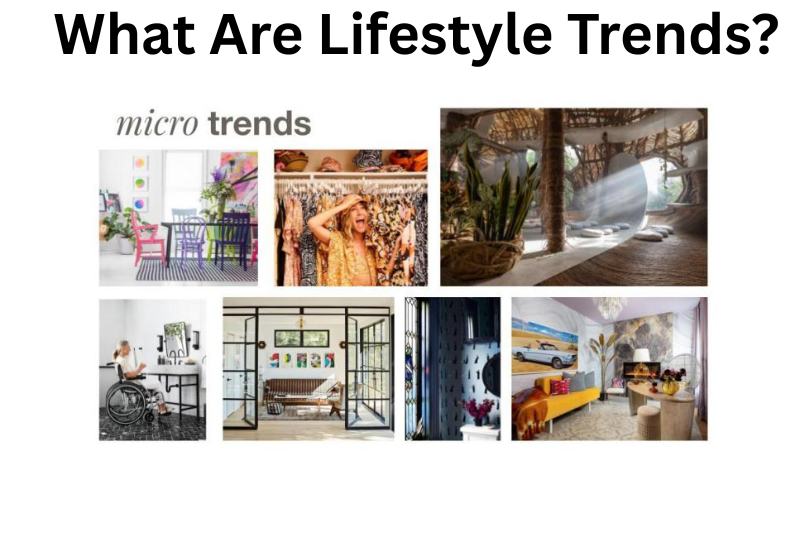
A lifestyle trend is a shift in how people choose to live, work, spend, eat, dress, travel, or even think. It’s more than a passing fad — it reflects deeper cultural or generational changes.
Examples:
- Choosing remote work over office jobs
- Prioritizing mental health and mindfulness
- Using reusable or zero-waste products
- Living as digital nomads or slow travelers
- Embracing minimalism or eco-living
The key to spotting these trends early is paying attention before they become mainstream.
Why Spotting Trends Early Matters
Here’s why this skill is so powerful:
Benefits of Spotting Lifestyle Trends Early
- First-Mover Advantage
You can create content, launch a product, or offer services before the market is saturated. - Grow Faster (as a creator or business)
Early adopters often gain more traction on social media, blogs, or YouTube — because they’re seen as original and insightful. - Opportunities for Innovation
Spotting a trend before it peaks gives you room to innovate or build your own unique take on it. - Cultural Relevance
Staying ahead of trends helps you stay connected with what people care about right now — especially if you work in marketing, fashion, wellness, or tech. - Financial Gains
Many early adopters have built businesses, brands, or investments by noticing trends early — think of vegan food brands, self-care startups, or remote work tech tools.
Drawbacks of Spotting Trends Early
- Risk of Being Too Early
Sometimes trends don’t stick. You could invest time or money into something that fizzles out. - Lack of Audience Understanding
Your audience or customers might not “get it” yet, meaning you’ll need to educate them first. - Short-Term Relevance
Some trends are short-lived. You might have to constantly pivot or adapt. - Fatigue from Chasing Trends
Always being on the lookout can lead to burnout or overwhelm, especially if you’re trying to keep up with everything.
Bottom line: The key is to balance awareness with intuition — not just chasing every new thing, but spotting the right ones early.
How to Spot New Lifestyle Trends Early — Step-by-Step
Here’s your roadmap to trendspotting success:
1. Be Incredibly Curious
Everything starts with curiosity.
Start asking questions about the world around you:
- Why are more people wearing oversized clothes?
- Why is everyone suddenly into cold plunges?
- Why are tiny homes trending again?
Don’t just scroll. Observe. Question. Research.
2. Watch Early Adopters and Subcultures
Mainstream media is the last place trends show up.
Instead, follow:
- Niche influencers on TikTok, Instagram, YouTube
- Artists, creators, Gen Z voices
- Reddit users in niche lifestyle subreddits
- Communities that live a few years ahead (e.g., digital nomads, startup founders, minimalists)
These groups are often the origin of trends.
3. Use Trend Tools & Platforms
Here are some powerful tools that help you track emerging trends:
| Tool | What it does |
| Google Trends | See what people are searching, by region or time |
| Exploding Topics | Identifies terms and ideas gaining search traffic quickly |
| TrendHunter | Curated insights on consumer trends |
| Pinterest Trends | Visual trends in lifestyle, fashion, wellness, etc. |
| TikTok Creative Center | Find viral hashtags, audio, and creator styles |
Use these tools regularly. Set alerts. Start tracking.
4. Think Globally, Act Locally
Some of the biggest lifestyle trends come from outside your country.
Watch countries like:
- South Korea & Japan – trends in fashion, skincare, tech
- Nordic Countries – minimalism, sustainability
- India & Indonesia – growing wellness and holistic living movements
- Brazil & Latin America – community-centered living, music, festivals
Learn from global sources — then translate those ideas into your local context.
5. Join Online Communities
Forums and groups are where real people talk before the news does.
Places to join:
- Reddit (e.g., r/simpleliving, r/trendwatching, r/selfimprovement)
- Discord servers (lifestyle, fashion, wellness, tech, etc.)
- Facebook groups (eco-living, van life, remote work)
- Niche Substacks or Telegram groups
Pro tip: Lurk more than you post — just observe what people are saying, doing, and caring about.
6. Analyze Patterns Over Time
Not everything that goes viral becomes a trend. Trends grow slowly — fads are short and fast.
To spot the difference:
- Watch if an idea spreads across multiple platforms (e.g., TikTok → Instagram → brands → real life)
- See if it’s adopted by different groups (not just teens or influencers)
- Check if it connects to deeper values (sustainability, self-care, purpose, etc.)
Make this a habit: once a week, review your notes and highlight what keeps popping up.
7. Keep a Trend Journal or Tracker
This step is super underrated.
Start a simple trend journal (could be a Notion page, Google Doc, or physical notebook).
Track things like:
- New words or phrases you keep hearing
- Products you see on multiple platforms
- Behaviors people are changing (e.g., less alcohol, more journaling)
- Visual themes (e.g., earthy tones, tech-core aesthetic)
Over time, you’ll see patterns. Patterns = trend prediction power.
You may also like to read these posts:
Why Cultural Shifts Influence Trends (In-Depth Guide)
Apps for Tracking Social Media Trends: Your Ultimate Guide to Staying Ahead
What Defines a Consumer Trend?
Types of Emerging Fashion Trends (Categorization): A Deep Dive
8. Understand the Psychology Behind the Trend
Every trend solves a problem or meets an emotional or social need.
Ask:
- What pain point does this trend relieve?
- What deeper need does it serve? (connection, identity, escape, belonging, status)
- Is it reacting against something else? (e.g., minimalism reacting against consumer culture)
When you understand why a trend exists, you can better guess what’s coming next.
9. Trust Your Gut, Then Test It
You’re probably better at spotting trends than you think.
When something catches your attention, don’t ignore it.
But also: test your instincts.
How?
- Ask others what they think
- Create a small piece of content or post about it
- See if it sparks interest or conversation
If yes — you may have just spotted something early
Real Examples of Early Lifestyle Trend Spotting
| Trend | How it was spotted early |
| Digital Nomad Lifestyle | Seen on NomadList, Reddit, early YouTube creators |
| Cold Water Therapy | First noticed via Wim Hof community & biohacking groups |
| Cottagecore Aesthetic | Grew on Tumblr & TikTok before hitting mainstream brands |
| Sustainable Products | First emerged in zero-waste online groups & eco YouTubers |
| AI Tools for Productivity | Noticed by tech forums and startup communities |
If you had noticed these even 6–12 months earlier, you could’ve launched content, products, or services around them with very little competition.
Final Thoughts: Mastering the Skill of Spotting Lifestyle Trends Early
Let’s recap everything.
If you want to consistently spot lifestyle trends before they become mainstream:
Do This:
- Stay curious and observant
- Watch early adopters
- Use research tools
- Pay attention to global markets
- Join communities and forums
- Analyze patterns and test ideas
- Understand the human psychology behind trends
Avoid This:
- Blindly chasing viral content
- Relying only on influencers or big media
- Ignoring the cultural or emotional root of trends
- Jumping too quickly without validation
FAQs
1. What exactly is a lifestyle trend?
A lifestyle trend is a popular shift or change in how people live their daily lives—covering areas like fashion, wellness, work habits, travel, diet, or entertainment. It’s more than a passing fad; it reflects evolving cultural or social behaviors.
2. Why is it important to spot lifestyle trends early?
Spotting trends early lets you stay ahead of the curve, giving you a competitive advantage in creating content, launching products, or offering services. It can help you grow faster and stay relevant in a fast-changing world.
3. How can I tell if a trend is just a fad or a real lifestyle shift?
Fads tend to spike quickly and disappear just as fast. Real lifestyle trends grow gradually, spread across different groups and platforms, and usually address a deeper emotional or social need. Tracking patterns over weeks or months helps differentiate them.
4. Which platforms are best for spotting new lifestyle trends early?
Some of the best platforms include TikTok, Instagram, Reddit (especially niche subreddits), Pinterest, and specialized tools like Google Trends, Exploding Topics, and TrendHunter. These places show what early adopters are doing and talking about.
5. How do I avoid burnout when constantly trying to spot trends?
Set specific times to research trends rather than trying to keep up all day. Use tools to automate alerts and focus on trends related to your niche or interests. Remember, not every trend needs attention — prioritize quality over quantity.