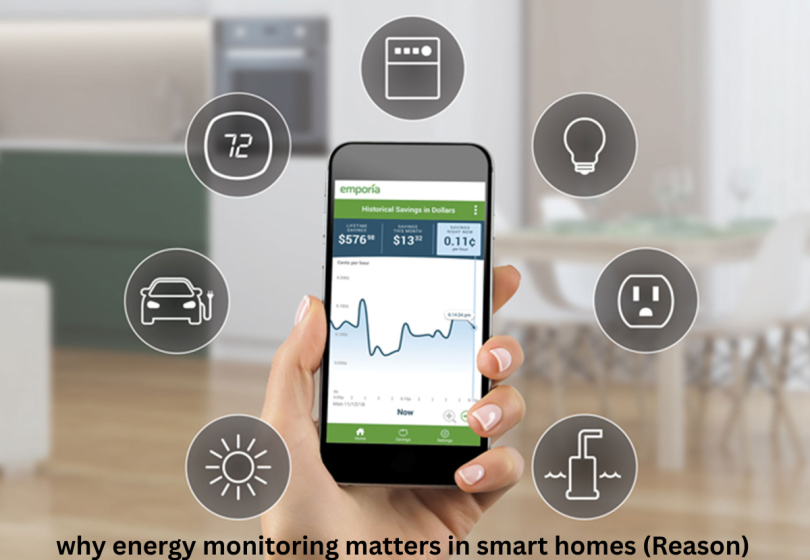

Smart homes aren’t just about fancy gadgets, voice assistants, or remotely controlled lights. At their core, smart homes are designed to make life more convenient, efficient, and sustainable. One of the most powerful (and often overlooked) features of a smart home is energy monitoring.
If you’ve ever looked at your electricity bill and thought, “Wait… how did I even use this much power?”, then you already understand why energy monitoring matters in smart homes. Let’s break it down step by step.
What is Energy Monitoring in Smart Homes?
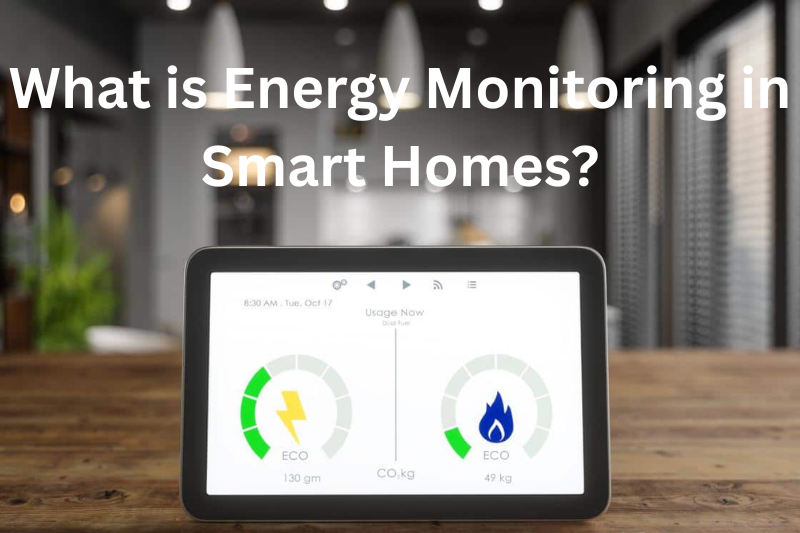
Energy monitoring is the process of tracking how much energy your home and its appliances consume. In a smart home setup, this doesn’t just mean glancing at your monthly bill—it means real-time data, detailed insights, and personalized recommendations.
With smart plugs, connected meters, and mobile apps, you can see:
- Which appliances are using the most power
- How much electricity is consumed daily, weekly, or monthly
- When peak usage happens (and how to avoid it)
- Which devices are wasting energy even when “off” (hello, standby mode!)
Think of it as having a microscope for your electricity use—suddenly, the invisible becomes visible.
Why Energy Monitoring Matters in Smart Homes
Here’s why energy monitoring is such a game-changer:
1. Lower Energy Bills
Energy monitoring shows you exactly where your money is going. Instead of guessing, you know if your old fridge is costing you extra or if your heater is running too long. Small adjustments, like scheduling appliances or replacing inefficient devices, can save big money over time.
2. Improved Energy Efficiency
We all want our homes to run smoothly without waste. Energy monitoring helps identify patterns—for example, noticing that the dryer consumes more power during peak hours. With that knowledge, you can shift usage to off-peak times and reduce strain on the grid while saving cash.
3. Supports a Greener Lifestyle
Climate change is real, and every choice matters. Energy monitoring empowers homeowners to cut unnecessary consumption, reduce carbon footprints, and use resources responsibly. Turning off unused lights or optimizing your heating/cooling schedule becomes second nature once you see the impact.
4. Convenience and Comfort Together
Many people worry that saving energy means giving up comfort—but that’s not true. Smart thermostats and monitoring tools help you stay comfortable while making sure you don’t overspend. Imagine your home learning your habits and keeping things cozy only when you’re around.
5. Data for Smarter Investments
Over time, the data from energy monitoring reveals valuable insights. Thinking of adding solar panels, buying energy-efficient appliances, or upgrading insulation? Your monitoring history can tell you where investments will give the biggest returns.
You may also like to read these post:
Online Trends vs Traditional Media Trends: A Detailed Comparison
What is Smart Living Technology?
Types of Automation Tools for Smart Homes: A Complete Guide
How to Set Up a Smart Living Routine
Benefits of Energy Monitoring in Smart Homes
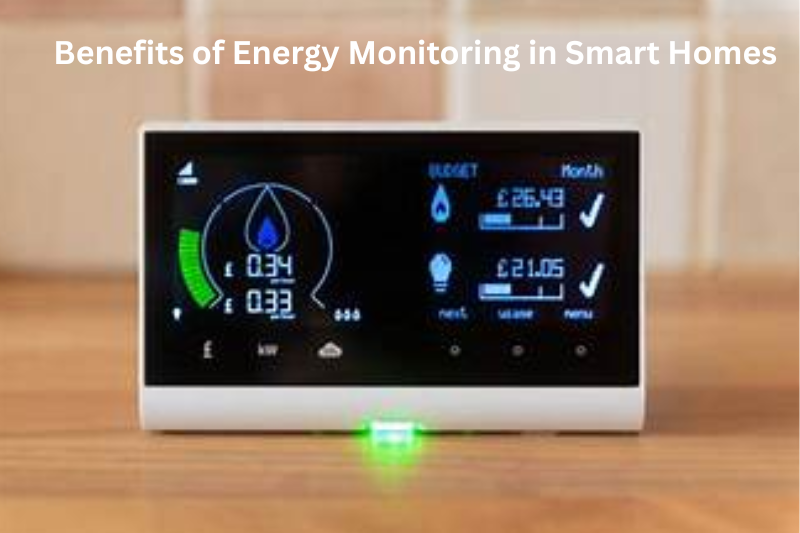
Let’s dive deeper into the real benefits:
Cost Savings – Lower utility bills through smarter use.
Awareness – Understand exactly how your lifestyle impacts energy use.
Sustainability – Reduced energy waste contributes to a greener planet.
Automation – Integrate with smart plugs and thermostats for hands-free savings.
Long-Term Planning – Data helps you make informed decisions about upgrades.
Peace of Mind – Get alerts when appliances are left on or energy spikes happen.
Drawbacks of Energy Monitoring in Smart Homes
Of course, no system is perfect. Here are some potential drawbacks to keep in mind:
Upfront Costs – Smart plugs, meters, and monitoring systems require investment.
Complex Setup – Some systems may feel overwhelming if you’re not tech-savvy.
Privacy Concerns – Energy data is sensitive; if not secured, it could reveal household habits.
Over-Monitoring – For some people, constant notifications about energy use may feel stressful rather than helpful.
Compatibility Issues – Not all appliances or older homes integrate smoothly with smart systems.
Everyday Examples of Energy Monitoring in Action
Here are some real-world scenarios where energy monitoring makes a difference:
- Remote Control: You’re on vacation and realize the heater was left on. With one tap on your phone, you shut it off.
- Phantom Load Detection: Monitoring reveals that your TV and gaming console use energy even when off—so you connect them to a smart plug to stop the waste.
- Time-Based Savings: Your washing machine runs at night when electricity rates are cheaper, all thanks to scheduling through your energy monitoring app.
- Solar Power Optimization: Monitoring helps you track when solar panels generate the most energy so you can plan usage accordingly.
Final Thoughts
So, why energy monitoring matters in smart homes boils down to this: it gives you knowledge, control, and the power to save—money, energy, and the planet. While there are some upfront costs and learning curves, the long-term rewards far outweigh the drawbacks.
At the end of the day, a smart home isn’t just about convenience; it’s about living smarter. And that starts with understanding how energy flows through your home. After all, you can’t manage what you can’t measure.
If you’re serious about making your smart home truly efficient, energy monitoring should be one of your first steps.
FAQs
1. What is energy monitoring in a smart home?
Energy monitoring is the process of tracking and analyzing how much electricity your home and its appliances consume. In smart homes, this is done using smart plugs, connected meters, and apps that give you real-time data and insights.
2. Why is energy monitoring important in smart homes?
It’s important because it helps you save money, improve efficiency, reduce waste, and make informed decisions about your appliances and energy use. In short, it’s the key to making your smart home truly “smart.”
3. Do I need special devices for energy monitoring?
Yes, you’ll need some tools like smart plugs, energy-monitoring devices, or a whole-home energy monitor. Many modern smart appliances also come with built-in monitoring features that connect to apps.
4. Can energy monitoring really lower my electricity bills?
Absolutely. By identifying energy-hungry appliances, cutting phantom loads, and adjusting your usage habits, energy monitoring can significantly reduce monthly bills. Many homeowners see savings within the first few months.
5. Is energy monitoring difficult to set up?
Not at all. Most devices are designed for easy installation and connect directly to your Wi-Fi. Some may require a professional for whole-home monitoring systems, but day-to-day use is very user-friendly