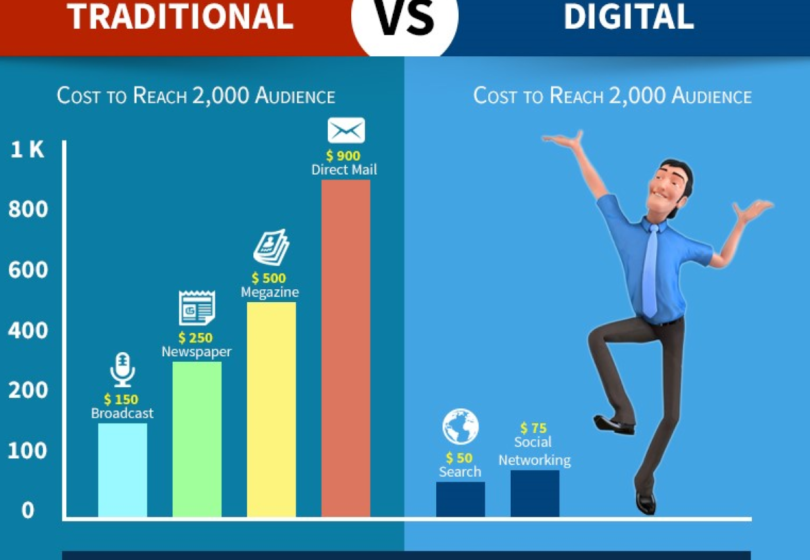

If you’ve ever wondered why some topics go viral online in a matter of hours while TV or newspapers are still covering yesterday’s news, you’re already seeing the difference between online trends vs traditional media trends. Both play an important role in how we consume information, but they work very differently. Let’s walk through the details together and break it all down in a simple, easy-to-follow way.
What Are Online Trends?
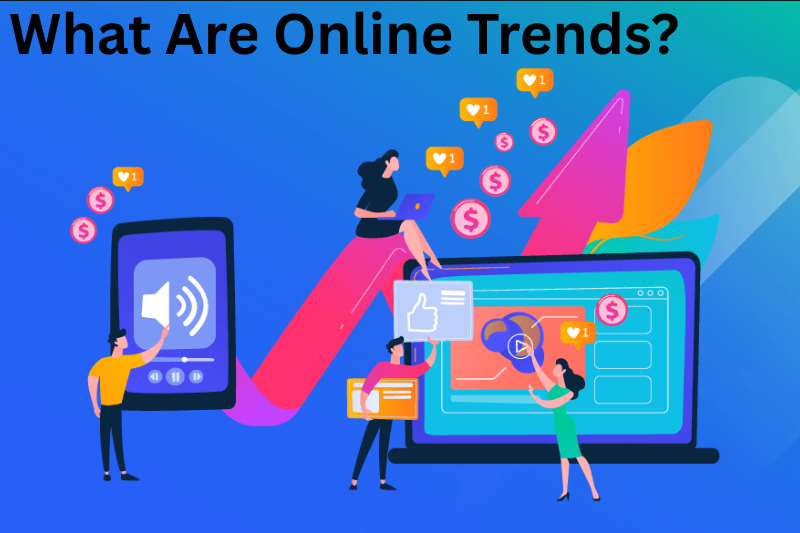
Online trends are topics, memes, videos, hashtags, or discussions that spread quickly across social media, blogs, and digital platforms. They can start from a single post and gain millions of views almost instantly.
Examples:
- A TikTok dance challenge going global overnight.
- A viral Twitter (X) hashtag trending in multiple countries.
- A YouTube video gaining millions of views in days.
What Are Traditional Media Trends?
Traditional media trends come from established sources like newspapers, television, magazines, and radio. These are the stories and campaigns that become popular because they are highlighted by big media companies.
Examples:
- A TV talk show segment that sparks national debate.
- A breaking news story on CNN or BBC.
- A magazine cover featuring a celebrity that becomes iconic.
Key Differences: Online Trends vs Traditional Media Trends
1. Speed of Spread
- Online Trends: Move at lightning speed; anyone can create content that goes viral.
- Traditional Media Trends: Slower due to production, editing, and approval processes.
Winner: Online trends for speed.
2. Audience Reach
- Online Trends: Personalized through algorithms, reaching niche groups.
- Traditional Media Trends: Reach broad, general audiences like families watching prime-time TV.
Winner: Depends on the goal—broad exposure = traditional, targeted impact = online.
3. Credibility and Trust
- Online Trends: Can spread misinformation since content isn’t always verified.
- Traditional Media Trends: Generally more credible due to fact-checking and editorial standards.
Winner: Traditional media for trustworthiness.
4. Engagement and Interaction
- Online Trends: Highly interactive—you can like, comment, share, remix, or create spin-offs.
- Traditional Media Trends: Mostly one-way communication with little audience participation.
Winner: Online trends for engagement.
5. Lifespan of Trends
- Online Trends: Short-lived; today’s viral sensation might be forgotten tomorrow.
- Traditional Media Trends: Longer-lasting; iconic TV shows or magazine covers can stay relevant for years.
Winner: Traditional media for staying power.
6. Cost and Accessibility
- Online Trends: Low cost—anyone with a smartphone can start a trend.
- Traditional Media Trends: Expensive to produce (TV ads, print campaigns, etc.).
Winner: Online trends for affordability.
Benefits of Online Trends
Instant reach and visibility.
Affordable for individuals, small businesses, and startups.
Interactive and engaging for audiences.
Can target niche groups through algorithms.
Encourages creativity and participation.
You may also like to read these posts:
What is Smart Living Technology?
Types of Automation Tools for Smart Homes: A Complete Guide
How to Set Up a Smart Living Routine
Why Energy Monitoring Matters in Smart Homes
Drawbacks of Online Trends
Short lifespan—today viral, tomorrow forgotten.
High risk of misinformation and fake news.
Can create “trend fatigue” because of constant content overload.
Often unpredictable and hard to control.
Benefits of Traditional Media Trends
Trusted sources with credibility and professionalism.
Longer-lasting cultural impact.
Broad audience reach across different demographics.
Highly influential for politics, policies, and major events.
Drawbacks of Traditional Media Trends
Slower to adapt compared to online platforms.
Expensive and not easily accessible for individuals or small businesses.
One-way communication with limited audience interaction.
Struggles to capture younger, digital-native audiences.
Final Thoughts: Online Trends vs Traditional Media Trends
When we look at online trends vs traditional media trends, it’s not about which one is better—it’s about how they complement each other.
- Online trends are fast, interactive, and budget-friendly but can be fleeting.
- Traditional media trends are credible, long-lasting, and broad-reaching but slower and more expensive.
In today’s world, the most effective communication strategy is blending both. For example, a viral online campaign that gets picked up by TV news can amplify reach and credibility. Or a traditional news story can spark conversations online and trend worldwide within hours.
FAQs
1. What is the main difference between online trends and traditional media trends?
The main difference lies in speed and format. Online trends spread quickly through social media and digital platforms, while traditional media trends take longer to develop but are often more credible and long-lasting.
2. Which is more influential: online trends or traditional media trends?
It depends on the context. Online trends are more influential when it comes to youth culture, viral content, and fast engagement. Traditional media trends hold more influence in politics, policies, and official news because of their credibility.
3. Why do online trends fade so quickly?
Online trends fade quickly because the internet is saturated with constant new content. People’s attention shifts rapidly from one viral post to the next, making most online trends short-lived.
4. Can traditional media still compete with online platforms?
Yes, traditional media still plays a powerful role, especially among older audiences and in shaping public opinion on serious matters. However, it needs to adapt by integrating with online platforms to stay relevant.
5. What are the benefits of online trends for businesses?
Businesses can benefit from online trends