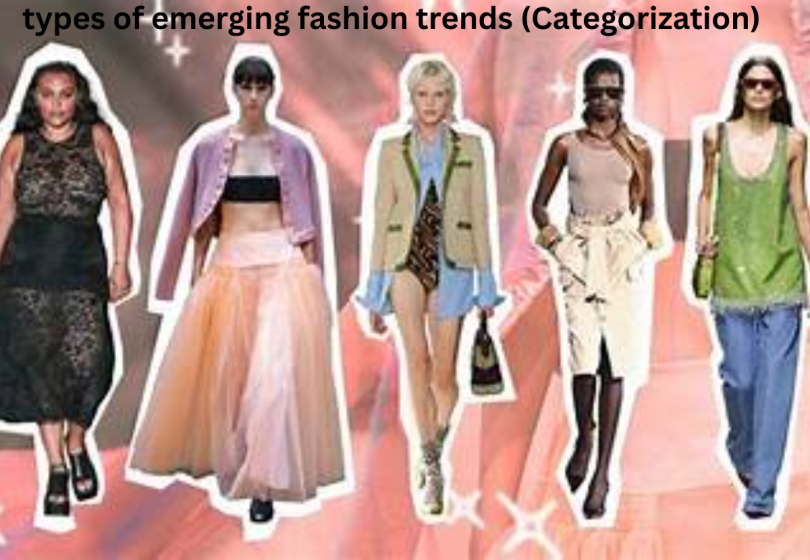

Fashion is constantly evolving, and keeping up with new styles can sometimes feel overwhelming. That’s why understanding the types of emerging fashion trends (categorization) is so helpful—it breaks down the latest movements into clear groups, making it easier to spot what’s fresh and exciting. Whether you’re a trendsetter or just curious about what’s next in the fashion world, knowing these categories can help you make stylish, informed choices that fit your personality and lifestyle.
What Exactly Are Emerging Fashion Trends?
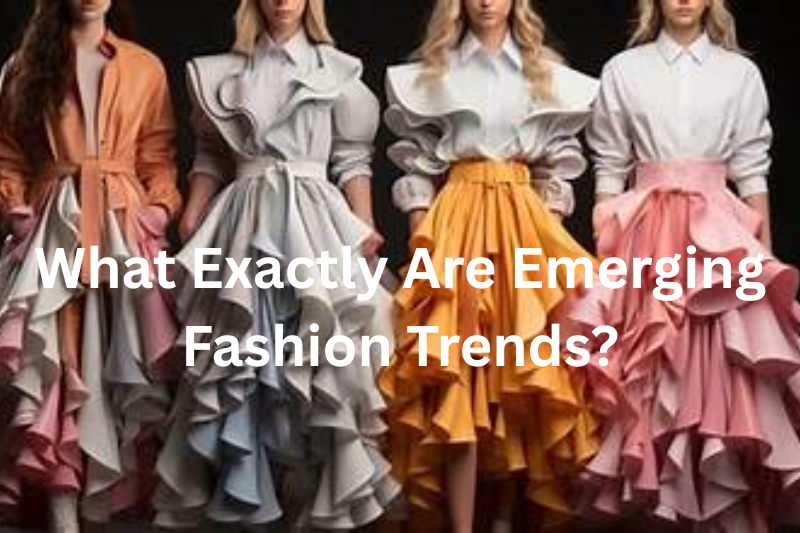
Before we break things down, here’s a quick refresher: emerging fashion trends are new styles or ideas in clothing and accessories that start to gain popularity, often influencing what we see on runways, in stores, and on the streets. They can be about fabrics, shapes, colors, or even the whole philosophy behind how clothes are made and worn.
Now, let’s explore the main categories of these emerging trends.
1. Sustainability-Driven Trends
What Is It?
Sustainability is no longer just a buzzword—it’s reshaping the fashion industry. This category includes eco-friendly materials, ethical production, and a push toward reducing waste.
- Eco-Friendly Fabrics: Materials like organic cotton, hemp, bamboo, and recycled fibers are being used more often.
- Upcycling & Vintage: Designers and consumers are revamping old clothes or buying vintage to reduce waste.
- Slow Fashion: Instead of buying tons of cheap clothes, slow fashion focuses on quality, durability, and timeless styles.
Benefits
- Environmental Impact: Less pollution, reduced waste, and lower carbon footprint.
- Better Quality: Sustainable pieces are often better made and last longer.
- Ethical Practices: Supporting fair wages and safer working conditions.
Drawbacks
- Higher Cost: Sustainable clothes can be pricier due to materials and ethical labor.
- Limited Availability: Not all brands have embraced this yet, so options can be fewer.
- Slow Trend Cycles: Slow fashion can mean fewer new releases, which might not appeal to trend lovers.
2. Tech-Infused Fashion
What Is It?
Technology is transforming fashion in some incredible ways, blending innovation with style.
- Smart Fabrics: Clothes that adapt, such as changing color with heat or tracking health data.
- 3D Printing: Customized, intricate designs made with 3D printers.
- Virtual Fashion: Digital outfits you wear in online worlds or augmented reality.
Benefits
- Customization: Tailor-made designs and fits.
- Innovation: New functionalities like temperature control or health monitoring.
- Sustainability Potential: Some tech methods can reduce waste.
Drawbacks
- Costly: High-tech materials and production can be expensive.
- Accessibility: Not everyone is ready or able to use virtual or tech fashion.
- Durability: Some smart fabrics may require special care.
3. Cultural Fusion Trends
What Is It?
This trend celebrates blending global influences, creating rich and diverse styles.
- Mixing Prints and Patterns: African prints with Western streetwear or Asian motifs in Western fashion.
- Heritage Revival: Bringing traditional dress into modern wardrobes.
- Inclusivity: Fashion that embraces all races, body types, and identities.
Benefits
- Cultural Appreciation: Encourages understanding and respect for different cultures.
- Unique Style: Fusion styles offer fresh and personalized looks.
- Diversity: Promotes inclusiveness and representation.
Drawbacks
- Cultural Appropriation Risks: Without respect or knowledge, fusion can offend or exploit.
- Complexity: Combining different cultural elements requires sensitivity and skill.
- Market Saturation: Sometimes trends can feel repetitive or diluted.
4. Gender-Neutral and Androgynous Styles
What Is It?
This category breaks down traditional gender boundaries in fashion.
- Unisex Pieces: Clothes designed for anyone.
- Blurring Gender Lines: Mixing masculine and feminine elements.
- Fluid Silhouettes: Flexible shapes that suit all genders.
Benefits
- Inclusivity: Supports freedom of expression beyond gender norms.
- Versatility: More mix-and-match options.
- Comfort: Often features relaxed, comfortable fits.
Drawbacks
- Market Resistance: Some consumers and retailers may be slow to accept.
- Sizing Issues: Gender-neutral sizing can be tricky to perfect.
- Trend vs. Norm: Sometimes viewed as a trend rather than a permanent shift.
5. Comfort and Functionality Trends
What Is It?
After more people started working from home, comfort became a key factor in fashion.
- Athleisure: Stylish activewear you can wear anywhere.
- Oversized Fits: Big sweaters, loose pants, relaxed dresses.
- Multi-Functional Pieces: Clothes that adapt from casual to formal or work to play.
Benefits
- Practical: Perfect for busy, on-the-go lifestyles.
- Comfort: Prioritizes how clothes feel.
- Versatile: Easy to style for different occasions.
Drawbacks
- Casual Overload: Sometimes looks too casual for certain settings.
- Trend Saturation: Athleisure is everywhere, so it can feel repetitive.
- Fashion Sacrifice: Comfort sometimes means less emphasis on style.
You may also like to read these posts:
How to Spot New Lifestyle Trends Early (How-To) – A Complete Guide
Why Cultural Shifts Influence Trends (In-Depth Guide)
Apps for Tracking Social Media Trends: Your Ultimate Guide to Staying Ahead
What Defines a Consumer Trend?
6. Maximalism and Bold Statements
What Is It?
This is fashion at its most colorful and expressive.
- Bright Colors and Bold Prints: Neon, animal prints, clashing patterns.
- Layering & Accessories: Jewelry stacks, multiple textures.
- Retro Revivals: Throwbacks to the ’70s, ’80s, ’90s styles but louder.
Benefits
- Expressive: Great for creative self-expression.
- Fun: Adds energy and excitement to your wardrobe.
- Attention-Grabbing: Perfect for standing out.
Drawbacks
- Overwhelming: Can be too much for some people.
- Not Always Practical: Bold styles may not work in all environments.
- Trend Risks: May quickly go out of style.
Why Does Categorizing Emerging Fashion Trends Matter?

Knowing the types of emerging fashion trends (Categorization) helps you:
- Identify what suits you: Not every trend is for everyone.
- Make conscious choices: Especially around sustainability and ethics.
- Stay updated: Spotting trends early means you can plan your wardrobe smarter.
- Understand fashion’s bigger picture: Trends reflect cultural, technological, and societal changes.
Final Thoughts: Embrace Trends Mindfully
Fashion is exciting because it’s always changing. Emerging trends give us new ways to express ourselves, reflect our values, and enjoy creativity. But every trend comes with benefits and drawbacks, so it’s smart to pick what truly resonates with you.
Whether you love the eco-friendly vibes of sustainability, the futuristic appeal of tech fashion, or the boldness of maximalism, there’s something in the world of emerging fashion trends for everyone.
And hey, if you want help figuring out which trends fit your style or how to balance trendy pieces with timeless staples, I’m here for that, too!
FAQs
1. What are emerging fashion trends?
Emerging fashion trends are new styles, designs, fabrics, or fashion philosophies that start gaining popularity and influence what people wear. They often begin in fashion shows, street style, or cultural movements before reaching mainstream fashion.
2. Why is it important to categorize fashion trends?
Categorizing fashion trends helps you understand the different types of trends, making it easier to spot what suits your personal style, lifestyle, and values. It also helps you keep up with the fashion world more strategically.
3. What are the main categories of emerging fashion trends?
Some key categories include sustainability-driven trends, tech-infused fashion, cultural fusion, gender-neutral styles, comfort and functionality trends, and maximalism/bold statements.
4. Are sustainable fashion trends more expensive?
Generally, yes. Sustainable fashion often uses higher-quality, eco-friendly materials and ethical labor practices, which can increase costs. However, these pieces tend to last longer, offering better value over time.
5. Can tech-infused fashion be worn in everyday life?
Some tech-fashion, like smart fabrics or athleisure with moisture-wicking properties, is practical for daily wear. Virtual fashion or highly experimental tech pieces may be more niche or for special occasions.