
Have you ever thought about how stories can travel across continents and still feel familiar, even if they come from a completely different culture? That’s the beauty of international cultural narratives. They’re not just stories; they’re carriers of values, beliefs, and shared human experiences. From ancient myths to modern films, cultural narratives connect us to the past while shaping the way we see the present and the future.
In this article, we’ll explore the main types of international cultural narratives, their unique qualities, and even the benefits and drawbacks of relying on them. Let’s dive in.
1. Mythological Narratives
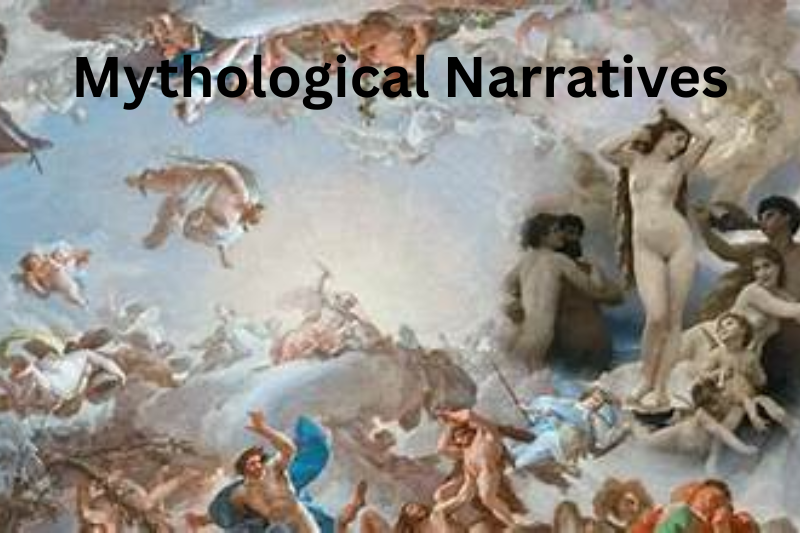
Mythological narratives are some of the oldest stories known to humankind. They explain the mysteries of life, the cosmos, and the origins of human existence.
- Greek Mythology: Tales of Zeus, Athena, and Hercules embody human ambition, jealousy, and courage.
- Hindu Mythology: The cosmic dance of Shiva and the preservation role of Vishnu symbolize balance and cycles of life.
- Norse Mythology: With Odin, Loki, and Thor, we see themes of fate, sacrifice, and honor.
Why they matter: Myths reveal what early societies feared, worshiped, or admired. They also continue to inspire literature, movies, and even philosophy today.
2. Folktales and Legends
Folktales are grassroots stories passed down orally, often with moral lessons. Legends, meanwhile, sit between myth and history—they may be based on real figures, but their stories are expanded into something larger-than-life.
- African Folktales: Anansi the spider teaches wit, survival, and creativity.
- European Legends: Robin Hood embodies justice and resistance against tyranny.
- Asian Folktales: The Chinese story of the Cowherd and the Weaver Girl highlights love, separation, and destiny.
Why they matter: Folktales and legends preserve everyday wisdom, cultural identity, and shared values across generations.
3. Epic Narratives
Epics are long, dramatic stories featuring heroes and monumental struggles. They usually blend historical events with mythical elements.
- The Iliad & The Odyssey (Greece): Themes of war, pride, and the power of the gods.
- The Ramayana & Mahabharata (India): Narratives about duty (dharma), justice, and family loyalty.
- The Epic of Gilgamesh (Mesopotamia): Humanity’s search for immortality and meaning.
Why they matter: Epics are cultural monuments. They immortalize a civilization’s ideals, struggles, and moral codes.
4. Religious and Spiritual Narratives
These narratives shape not just individual belief systems but also entire societies. They guide morality, rituals, and social order.
- The Bible: Influential in Western values, law, and ethics.
- The Quran: Central to Islamic teachings and cultural life.
- Buddhist Jataka Tales: Teach compassion, mindfulness, and selflessness.
Why they matter: Religious narratives influence festivals, art, and politics. They remain central to identity and belonging for billions of people.
5. Historical Narratives
These are stories societies tell about their past. While based on facts, they’re often shaped by cultural pride or political purpose.
- American Narratives: The Revolution as a story of freedom and independence.
- Japanese Narratives: Samurai tales of honor and discipline.
- African Narratives: Stories of colonial resistance and the fight for independence.
Why they matter: Historical narratives create a sense of shared memory and national identity—but they can also be biased or one-sided.
6. Modern and Pop-Cultural Narratives
Globalization has given rise to modern storytelling forms—films, TV, music, and digital culture—that carry cultural narratives worldwide.
- Hollywood Movies: Marvel’s Black Panther brought African traditions into the global spotlight.
- Japanese Anime: Combines ancient Shinto-Buddhist values with futuristic ideas.
- K-Pop: Uses modern art and storytelling while weaving in Korean cultural references.
Why they matter: Modern narratives allow cultural traditions to evolve, stay relevant, and reach global audiences.
7. Cross-Cultural and Hybrid Narratives
When cultures meet, their stories mix and create something new.
- Cinderella: Found in Chinese, Middle Eastern, and European versions.
- The Hero’s Journey: A universal pattern seen in Native American tales, Indian epics, and modern movies like Star Wars.
- Diaspora Narratives: Immigrant communities mix old traditions with new cultural contexts.
Why they matter: Hybrid narratives promote cultural exchange and remind us of shared human experiences.
You may also like to read these posts:
Why AI Is Transforming Everyday Tools
Top Websites for Tech Reviews and Analysis
Tech Insights vs Tech News – What’s the Difference?
What Defines a Global Human Interest Story?
Benefits of International Cultural Narratives
- Preserve Heritage – They keep traditions, morals, and values alive across generations.
- Create Identity – Narratives give individuals and nations a sense of belonging.
- Teach Lessons – From myths to folktales, they guide behavior and offer moral lessons.
- Promote Unity – Shared stories build cultural pride and social bonds.
- Encourage Creativity – They inspire new art forms, literature, and films.
- Build Cross-Cultural Understanding – By exploring stories from other cultures, we develop empathy and appreciation.
Drawbacks of International Cultural Narratives
- Risk of Stereotypes – Simplified or misused narratives can reinforce harmful stereotypes.
- Historical Bias – Many narratives are told from the perspective of the powerful, leaving out marginalized voices.
- Cultural Appropriation – Global sharing sometimes leads to misrepresentation or commercialization of sacred traditions.
- Rigidity of Tradition – Over-reliance on old narratives can prevent societies from adapting to modern values.
- Conflict of Beliefs – Religious or national narratives can create division when competing with others.
Final Thoughts
The many types of international cultural narratives—from ancient myths to modern movies—are like mirrors showing humanity’s deepest fears, values, and dreams. They can unite us, inspire us, and give us identity. At the same time, they can also divide, mislead, or be misused if we don’t approach them critically.
So, next time you hear a myth, read a legend, or watch a global blockbuster, ask yourself:
- What culture does this come from?
- What values or lessons is it sharing?
- How does it connect to my own culture’s stories?
That simple reflection can turn storytelling into a bridge between you and the wider world.
FAQs
1. What are international cultural narratives?
International cultural narratives are stories, myths, legends, or historical accounts that reflect the values, beliefs, and traditions of different cultures around the world. They can be ancient myths, folktales, epics, religious stories, or even modern films and music that carry cultural meaning.
2. Why are international cultural narratives important?
They are important because they preserve cultural heritage, provide moral lessons, strengthen identity, and build empathy across societies. They also help us understand the worldview of other communities and connect people beyond geographical boundaries.
3. What are the main types of international cultural narratives?
The main types include:
Mythological narratives
Folktales and legends
Epic narratives
Religious and spiritual narratives
Historical narratives
Modern and pop-cultural narratives
Cross-cultural and hybrid narratives
4. How do cultural narratives influence society today?
They influence our values, traditions, celebrations, literature, films, and even politics. For example, ancient myths inspire modern movies, religious narratives shape moral behavior, and historical narratives influence national pride and identity.
5. What are the benefits of international cultural narratives?
Some key benefits include:
Preserving cultural identity
Teaching moral lessons
Inspiring creativity
Promoting empathy and unity
Connecting generations